
Heels are often selected for how they look, but comfort is what determines how long you can actually wear them. For many women, foot fatigue, pressure, or instability begin well before the day is over. To understand what truly makes a heel comfortable, we turned to leading podiatrists and examined the design principles they consistently recommend for real, lasting support.
At Elizée, comfort is engineered from the inside out. In collaboration with podiatrists and biomechanics engineers, we developed a triple-layer comfort insole designed to absorb impact, support alignment, and create a balanced lift. The result is a heel that feels steady and supportive through long days, dinners, travel, and everything in between.
Below, podiatrists share the features that matter most—and the heel styles that reflect those principles in practice.


“Wider heels help improve balance and stability.”
— Dr. Marion Yau
“As we get older, the natural cushioning in our feet becomes thinner,” explains Dr. Marion Yau, podiatrist and host of The Bad Foot Clinic (Discovery+ UK). “Wider heels, like block styles, provide a broader surface for balance and distribute weight more evenly.”
This is why block heels remain one of the most dependable options for comfort. The Rhea platform heel blends a slim block silhouette with a slight platform for even weight distribution. The height feels stable and grounded—a shape that supports balance and comfort through long evenings out.
“A secure fit helps prevent strain.”
— Dr. Dana Figura
“An adjustable strap around the ankle helps keep the foot in place and prevents strain,” says Dr. Dana Figura, board-certified podiatrist. This detail is often overlooked but plays a major role in comfort by preventing the foot from sliding forward and easing pressure on the forefoot.
The Ametista platform heel incorporates a wraparound ankle tie that keeps the foot centered. Paired with a balanced platform, it delivers height with a more supportive feel—allowing for comfort without compromising structure.


“Lower heels with structure reduce forefoot pressure.”
— Dr. Elizabeth Daughtry
“Heels under about two and a half inches tend to reduce pressure across the forefoot,” notes Dr. Elizabeth Daughtry, board-certified podiatrist and foot surgeon. “When combined with structure and cushioning, they can stay comfortable even for extended wear.”
That combination defines the Portia kitten heel. With its gentle inclination, slingback fit, and supportive contouring, it provides subtle lift without overloading the front of the foot—proof that elegant heels can still prioritize alignment and ease.
“Soft materials make all the difference.”
— Dr. Ebonie Vincent-Sleet
“The materials matter,” says Dr. Ebonie Vincent-Sleet, podiatric foot and ankle surgeon. “Soft, high-quality leathers mold to the foot and help prevent rubbing and irritation. They adapt as you move, which improves comfort and fit over time.”
That balance of softness and structure defines the Cora bootie. Crafted from supple leather with a smooth lining and a slim block heel, it supports natural movement while offering steady support for long days and evenings.

The Takeaway
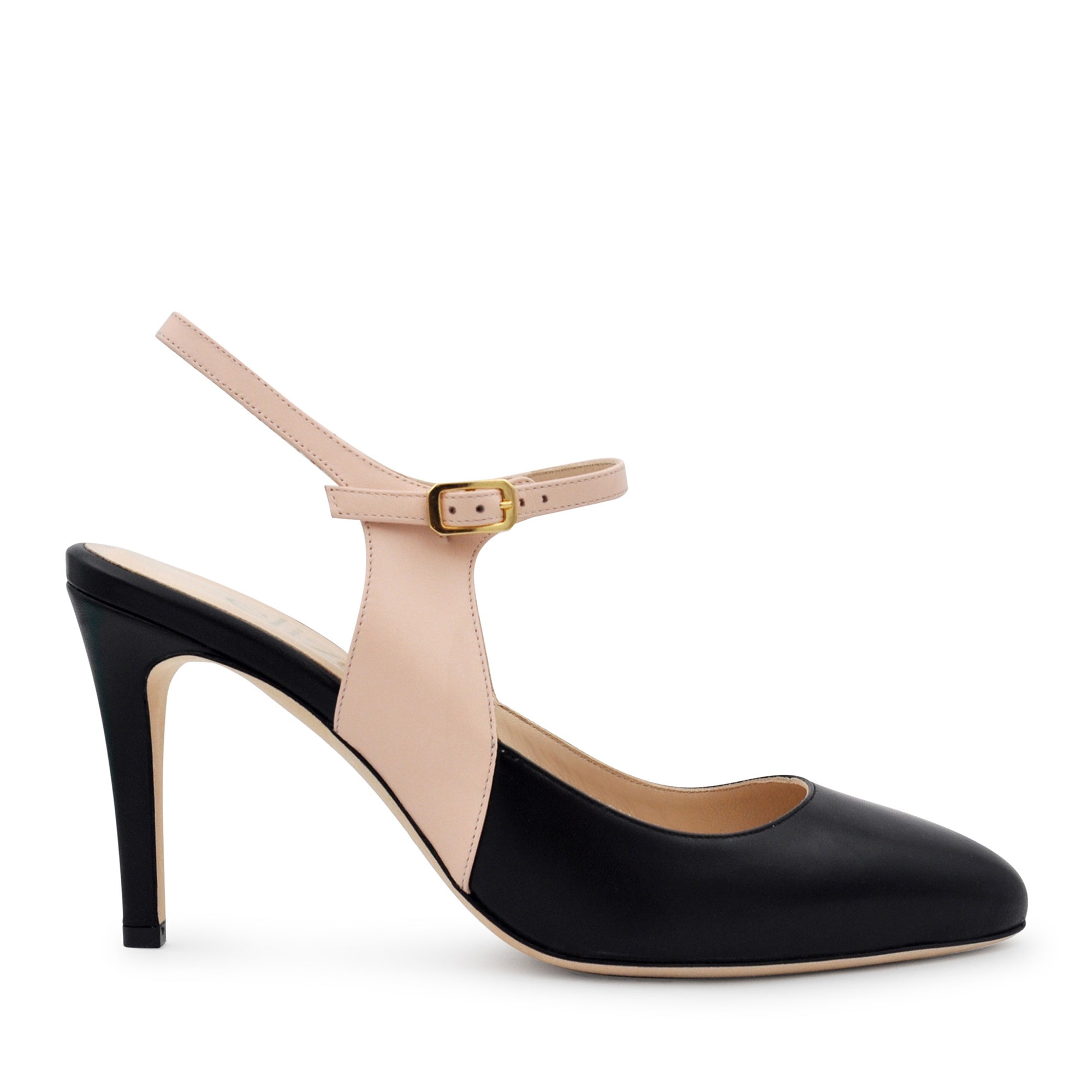
Podiatrists consistently point to the same fundamentals when it comes to comfortable heels: stable heel shapes, secure fits, balanced pitch, and materials that work with the foot. When these elements are thoughtfully combined, heels become wearable for real life—not just for short moments.
Shop NowSources and Expert References
This article references expert commentary and product testing featured in the CNN
Underscored article:
“Comfy heels over 50? Yes, please. Here are the best, according to podiatrists (and my feet)”
by Lindsey Hunter Lopez, published by CNN Underscored.
Featured podiatrists:
-
Dr. Elizabeth Bass Daughtry, board-certified podiatrist and foot surgeon
-
Dr. Dana Figura, board-certified podiatrist
-
Dr. Ebonie Vincent-Sleet, board-certified podiatric foot and ankle surgeon
-
Dr. Marion Yau, podiatrist and host of The Bad Foot Clinic on Discovery+ UK